

Workplace Adult Education and Literacy: Building Career Pathways Through Strategic Partnerships
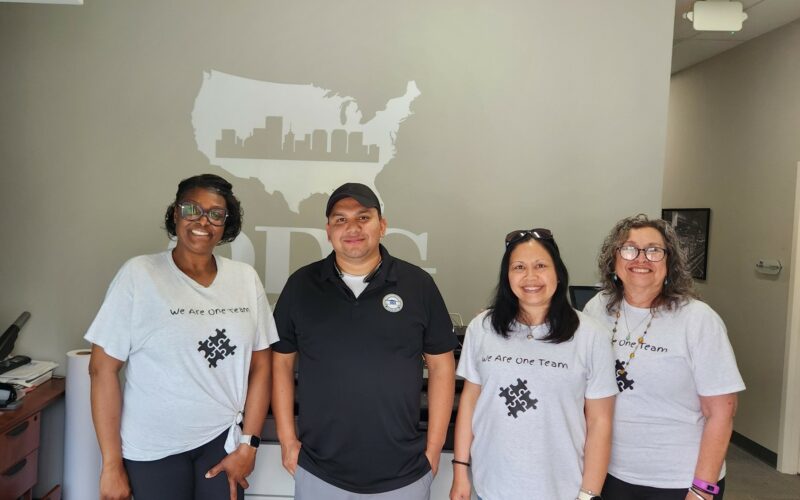
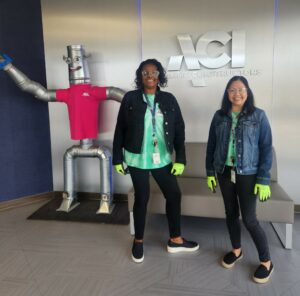
Members of Old Dominion Group Workplace Literacy Class with Trainer
Article by Joyce Jackson, M.A., and Melinda Dart, M.A. Chesterfield County Public Schools Adult Education
What happens when adult education, workforce development, government agencies, and employers come together around a common goal? The result is more than a literacy program—it is a pathway to economic mobility, workforce success, and community impact.
Across the country, adult education providers are increasingly being called upon to address workforce needs while helping learners build the skills necessary to thrive in today’s economy. Through strategic partnerships, workplace adult education and literacy programs are creating opportunities for individuals to strengthen English language, digital literacy, and workforce readiness skills while supporting employers and contributing to regional economic growth. The success of these initiatives demonstrates that workplace literacy is not simply an educational endeavor; it is a collaborative workforce development strategy that benefits learners, employers, and communities alike.
Creating Opportunities Through Skill-Building
At its core, workplace adult education and literacy is about creating opportunities through skill-building. These programs play a critical role in improving employment outcomes while providing adult learners with the tools they need for career advancement, economic mobility, and long-term stability. When Adult ELA educators meet with employers, a consistent theme emerges: limited English language proficiency and literacy skills can significantly impact productivity, communication, and workplace safety. As a result, workplace literacy is not simply an educational concern—it is a workforce development priority and an economic imperative.
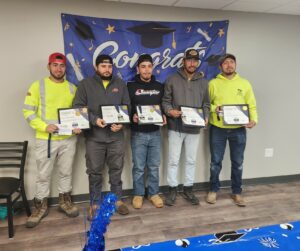
One of the goals identified during our initial partnership discussions with Old Dominion Group (ODG) was to provide employees with meaningful opportunities to strengthen their workplace skills while supporting the company’s operational needs. This shared vision became the foundation for a successful and growing partnership. It began with an initial email, planning a meeting to connect, and then consistent, ongoing follow-up. These simple steps led to something greater than we could have imagined. Four cohorts later, adding two additional locations, and now plans to add civics education opportunities, we discovered the power of workplace adult education and literacy.
The Power of Workplace Adult Education and Literacy

What makes workplace adult education and literacy programs particularly effective is their direct connection to real-world applications. Learning is immediately relevant because instruction is tailored to workplace and life needs, with a focus on specific benchmarks created in collaboration between the employer and the Adult ELA program. These may include:
- Workplace vocabulary and communication
- Completing employment and workplace forms
- Understanding safety protocols and procedures
- Delivering quality customer service
- Developing digital literacy skills
- Building emerging AI literacy skills
- Strengthening financial literacy skills, including budgeting, banking,
credit management, and financial decision-making
By integrating these essential skills into workplace instruction, learners are better equipped to succeed on the job, navigate everyday responsibilities, and advance along career pathways. The educational experience becomes more engaging and impactful. Learners gain confidence, competence, and momentum as they experience success in both the classroom and the workplace. We experienced this firsthand as students were committed to attending classes and meeting benchmarks. This resulted in growth and advancement opportunities, as well as overall boosts in morale. From construction workers fully participating in virtual classes after a long day at work, to custodians completing lessons on EnGen each week, the powerful impact of workplace adult education and literacy was clear. Experience in the workplace is not enough; investing in employees’ education is the necessary step that moves entire organizations forward.
Workplace adult education and literacy represents the intersection of experience and education. These programs recognize and honor the knowledge and skills adult learners already possess while helping them build new competencies that lead to career advancement and expanded opportunities. By strengthening foundational literacy, English language acquisition, digital literacy, and workplace competencies, adult education serves as a critical entry point into career pathways. Learners gain the skills necessary to pursue promotions, industry-recognized credentials, postsecondary education, and long-term career advancement.
Building and Sustaining Meaningful Partnerships
Successful workplace literacy programs depend not only on establishing partnerships but also on maintaining them. Strong partnerships require intentional communication, ongoing collaboration, and a shared commitment to success. When partnerships are actively nurtured, opportunities for growth emerge for everyone involved—the program, the employer, and, most importantly, the learners.
Our partnership with Old Dominion Group began on a small scale. Starting small allowed us to be intentional and responsive to both employer and employee needs. We learned together as we built curriculum and planned logistics. While ODG learned about the importance of CASAS assessments, we learned about the importance of safety on a construction site. Over time, trust was established, communication channels were strengthened, and the partnership expanded semester after semester. Our structured launch process includes:
- Initial email communication
- Follow-up phone conversation
- In-person planning meeting
This process helped establish expectations, clarify program goals, align partner priorities, and build transparency from the outset. Once programming begins, maintaining regular communication becomes essential. Strategies include:
- Weekly reminders and communication with students
- Weekly attendance updates for administrators and employer partners
- Monthly virtual check-ins to discuss progress and challenges
- Beginning- and end-of-semester site visits
- Collaborative discussions regarding successes, opportunities for improvement, and future goals
These touchpoints help ensure that all stakeholders remain informed, engaged, and invested in program success. Being intentional with these touchpoints is a commitment. This creates the space for open communication and allows room for establishing clear processes and making adjustments as needed. We found that weekly touchpoints were especially effective to address immediate student needs, such as absences or questions. Corresponding with students through email or text messages on a weekly basis is time well spent.
Maintaining partnerships ultimately means being proactive, responsive, and consistently present. When employers know they have a trusted educational partner, they are more likely to invest in long-term workforce development initiatives that benefit both their employees and their organization.
Looking Beyond Sustainability: Planning for Growth
Strong partnerships should not simply sustain existing programs—they should create opportunities for continued innovation and growth. Our partnership with ODG remains the model for looking beyond sustainability. As we collaborate and reflect, we continually find ways to grow—not in numbers, but by investing in people.
As Adult ELA educators, we continuously engage in a process of observation and inquiry. During meetings with partners, we routinely ask:
- Are there additional workforce training needs?
- What challenges remain for employees?
- What gaps exist for employers?
- How can adult education further support workforce development goals?
These questions help identify new opportunities and inform future program development. This willingness to think creatively and adapt to changing workforce needs has allowed our partnership to remain relevant and responsive. By remaining flexible and innovative, workplace literacy programs can evolve alongside industry needs while creating new opportunities for learners to advance along career pathways.
Celebrating Success and Expanding Impact
An often-overlooked component of workplace literacy programming is the importance of celebrating learner success. We cannot stress the importance of celebrating enough! Elevating every employee for reaching their milestones paves the way for expanding impact. Recognizing workplace literacy completers validates their hard work and achievements while reinforcing the value of lifelong learning. Celebrations also provide employers and community partners with powerful success stories that can be shared throughout their organizations and communities. Stories may simply include completing the workplace literacy class, meeting specific benchmarks, maintaining perfect attendance, or performing a new task successfully in the workplace.
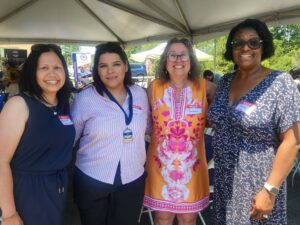
These success stories create a ripple effect:
- Learners gain confidence and motivation.
- Employers see the value of investing in workforce education.
- Community awareness increases.
- New partnership opportunities emerge.
This ripple effect was evident in our partnership with Old Dominion Group. Word of mouth became one of the most powerful marketing tools available. Every successful learner became an advocate. Every satisfied employer (ODG) became a champion. Every positive interaction strengthened our program’s reputation and credibility. The success of our pilot partnership with Old Dominion Group prompted us to consider how workplace adult education and literacy could support additional sectors within our community. Through strategic outreach and relationship-building, we have since created collaborative partnerships with Chesterfield County Public Schools, the Chesterfield County Facilities Department, the Chesterfield Department of Social Services, and Atlantic Constructors. These partnerships have expanded opportunities for adult learners while helping employers address workforce development needs through targeted education and training. They have also demonstrated the value of collaboration among education, government, and industry partners working toward a common goal: strengthening the workforce through education.
As our programs continue to grow, we remain committed to exploring new opportunities and building relationships with organizations that share our vision. While each workplace literacy class is unique, each new partnership allows us to reach more learners, address emerging workforce needs, and create additional career pathway opportunities for individuals seeking economic mobility and professional advancement.
The Path Forward
Workplace adult education and literacy is about much more than instruction. It is about creating pathways to opportunity, supporting employers, strengthening communities, and empowering individuals to achieve their educational and career goals. By building strong partnerships, maintaining open communication, responding to workforce needs, and celebrating success, adult education programs can create lasting impact for learners, employers, and the communities they serve.
The continued expansion of partnerships across education, government, and industry demonstrates the transformative power of workplace literacy initiatives. As workforce needs evolve, adult education providers have a unique opportunity to serve as connectors, by bringing together employers, community organizations, and learners to create meaningful pathways to success.
When experience meets education, pathways emerge that not only improve workplace performance but also transform lives, strengthen families, and contribute to thriving communities. Through workplace adult education and literacy, we are not simply teaching skills; we are opening doors to careers, advancing economic mobility, and building a stronger workforce for the future.
Call to Action:
Recognize the need in your local communities for workplace adult education and literacy!
Initiate conversations with employers by considering these Workplace Lit Guiding Questions.
Take small steps and follow up!
Be on the lookout for Joyce and Melinda’s next presentation on this topic or reach out using the contact information below:
[email protected]
[email protected]