

Back to Basics: Relationships, Partnerships, and Purpose in Adult Education
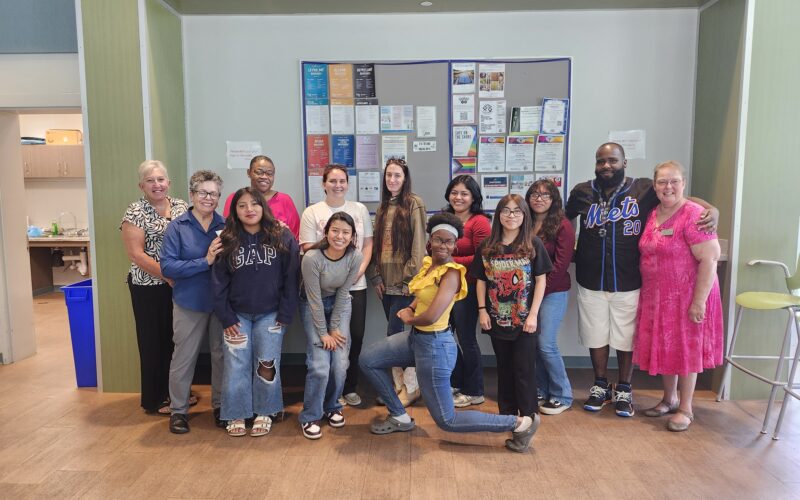
Paraprofessional Class
by Heather Marsh, Regional Program Manager
When I was asked to share some thoughts about Region 22’s success with enrollment and learner persistence, I wondered what we had done that was particularly innovative. The truth is, I don’t think our approach has been especially groundbreaking. Much of what we’ve focused on comes back to the fundamentals of good education: building relationships, understanding student and community needs, and working together.
One of our greatest strengths has been the tremendous support of Eastern Shore Community College. The college’s commitment to adult education was firmly established long before I arrived, and that support continues to be an important part of our success. Our approach has been less about creating something new and more about making the most of what we already have, finding better ways to connect resources and opportunities, and keeping students’ goals at the center of our decisions.
When I came to adult education, I saw an opportunity to develop a clearer vision for our program. Rather than focusing on individual classes, I wanted us to think about pathways. Where do our students want to go, and how can we help them get there?
We also benefit from close working relationships with DARS, the Area Agency on Aging, Social Services, WIOA, and Career Services. Having many of these partners located on our campus makes it easier to collaborate, identify resources, and address individual student needs. Often, the resources are already there. We just need to connect them more effectively.
Our paraprofessional Integrated Education and Training (IET) class is one example of this approach. After 28 years in K–12 education, I knew firsthand how difficult it was for local school divisions to fill positions. At the same time, many Eastern Shore residents need stable, full-time employment with livable wages and benefits. It seemed like an obvious disconnect. Why couldn’t adult education help bridge that gap?
Getting the class started wasn’t easy. We began with four students and eventually grew to nine, five of whom were English language learners. Current K–12 teachers, retired administrators, and community members helped provide instruction and share their experiences. Students learned about IEPs, disabilities, and the responsibilities of instructional assistants while also developing reading, math, digital literacy, financial literacy, résumé writing, and interview skills. They received CPR and First Aid training, and grant funding allowed us to offer the class at no cost.
We also encouraged students to think beyond becoming instructional assistants. Why not continue their education and become teachers? Six of the nine students passed the paraprofessional certification exam. Within a week, three were hired as full-time instructional assistants with benefits, and another was hired at a preschool. The three students who did not pass are preparing to retake the exam in November. Three students are now planning to enroll at ESCC with the goal of becoming teachers. We plan to support them as a cohort, helping them navigate college enrollment and coursework. The pathway doesn’t end when the class ends.
Nine students may not seem like a significant number, but in a small rural community, those nine students represent real opportunities for change. We are already receiving calls asking when the next class will be offered.
Of course, none of this works without invested teachers. After many years in education, I still believe relationships are the foundation of student success. We are fortunate to have a staff made up largely of experienced educators who get to know their students and understand the challenges they face. We encourage shared leadership and honest conversations about what is working, what isn’t, and what we might do differently. New teachers are paired with experienced instructors for at least eight classes before teaching independently, and our IET classes often involve shared instructional responsibilities. We want our teachers to feel supported and involved in shaping the program, because their experiences and ideas are essential to making it better.
We certainly monitor enrollment and persistence measures, and those numbers matter. But they have never been what drives our decisions. Our focus has been on the individual student and the overall experience of the people we serve. We are still learning, adjusting, and trying new things. Not every idea works the first time, and there is always room to improve.
But I believe if we focus on the individual and group experience, the numbers will follow. And as our paraprofessional class reminded us, it doesn’t take big numbers to start making a change. Once you get momentum going, it begins to build on itself.