

Post-Testing Success: Sometimes It’s the Little Things That Make a Difference
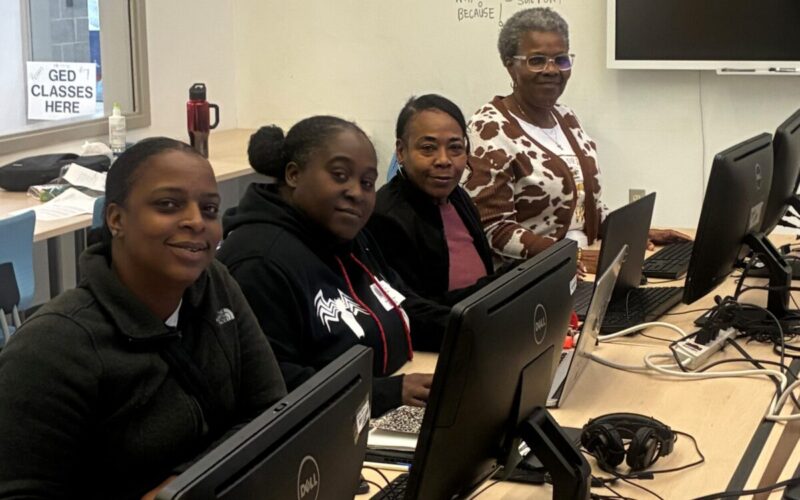
Peninsula Regional Education Program (PREP) Learners
by Rachel Ambrose, Regional Program Manager
During the 2025–2026 program year, the Peninsula Regional Education Program (PREP), Region 21, achieved a post-testing rate of 56.80%, compared to the statewide average of 48.37%. This placed PREP third in the state for post-testing and fifth for student persistence. While we were pleased with these results, I think they reflect the consistent efforts of our staff and their commitment to supporting student progress.
I don’t think there is any one thing we are doing that is particularly unique. For our region, it really comes down to planning ahead, communicating with staff, and making post-testing part of our regular program practice. I also believe persistence and post-testing are connected. When we keep students engaged in instruction, we have more opportunities to assess their progress.
One thing that has worked well for PREP is having our coordinators monitor instructional hours and post-testing eligibility weekly. They use LACES reports, including the Class Points to Next EFL report, to identify students approaching the required hours and begin planning for testing.
This only works if staff are comfortable using the data. Our regional data specialist, Amy Gaidmore, works closely with coordinators to make sure they know which reports to run and how to use the information. Rather than Amy or me having to constantly remind everyone who needs to be tested, our coordinators have taken ownership of the process. We give staff the tools and support they need, but we also trust them to do their jobs.
Identifying students is only part of the process. Coordinators and student support staff work together to schedule post-testing and keep instructors informed about which students will be testing the following week.
Our ESL coordinators send weekly emails to instructors with reminders, practical teaching tips, and updates. They also identify students at each instructional level who will be pulled from class for post-testing. It is a simple practice, but it works! Instructors know what to expect, they can plan accordingly, and testing doesn't come as a surprise. More importantly, everyone understands that post-testing is a shared responsibility.
We aim to post-test students as soon as they meet the assessment vendor's recommended instructional hours and have had an opportunity to build their skills. Approved distance learning resources also help students practice at their own pace and earn additional instructional hours outside of class. That flexibility can make a difference for students balancing work, family, and other responsibilities.
For example, when our fall session begins, we often have returning students who already have 40 or more instructional hours accumulated from the previous program year. While these students may have enough hours to post-test, they have also been away from instruction over the summer. We don't necessarily want to test them during their first week back! Instead, we typically plan a significant round of post-testing before Thanksgiving break, giving students time to reengage in instruction and review their skills.
We also offer students a waiver of their next session's class fee when they complete post-testing. Adult learners have a lot going on, and taking another assessment may not be at the top of their priority list. The fee waiver offers a little extra encouragement while reinforcing that post-testing is an opportunity to see how much they have learned and recognize their progress.
If I were to offer advice to other programs, it would be to start with what you already have. Make sure staff know how to use the reports available to them, establish a routine for monitoring eligibility, and keep communication open among coordinators, instructors, and support staff. Post-testing shouldn't be the responsibility of just one person.
We also have to recognize the connection to persistence and quality instruction. If students aren't engaged and coming to class, we may never have the opportunity to assess their progress. We are fortunate to have experienced instructors committed to their students and their own professional growth. Training, mentoring, and access to vetted instructional materials help teachers respond to student needs. We want students prepared to post-test, but more importantly, we want them to have actually learned something!
PREP’s results don’t mean we have everything figured out! We are always looking for ways to improve and learn from other programs. One area we are continuing to strengthen is our use of CASAS TOPSpro reports to guide instruction. Following assessments, instructors can use these reports to identify specific skills students need to work on and plan instruction that addresses those needs. This gives students a better opportunity to demonstrate a measurable skill gain (MSG) when they post-test. And when a student doesn’t achieve an MSG, the reports can help us identify where gaps remain and what additional instruction may be needed.
One thing I’ve learned as a program manager is that we don’t always need to create something new to see improvement. Sometimes it’s about making better use of the tools we have, supporting our staff, and being consistent with the little things that make a difference. At the end of the day, post-testing isn’t just about meeting a performance target. It’s about recognizing the progress our students are making and ensuring that progress is reflected in our program outcomes.